
Fields of work
What our detection dogs are used for
Three fields of work of our founding organisations – from established deployments to projects under development.
Fields of work
Where our dogs are deployed
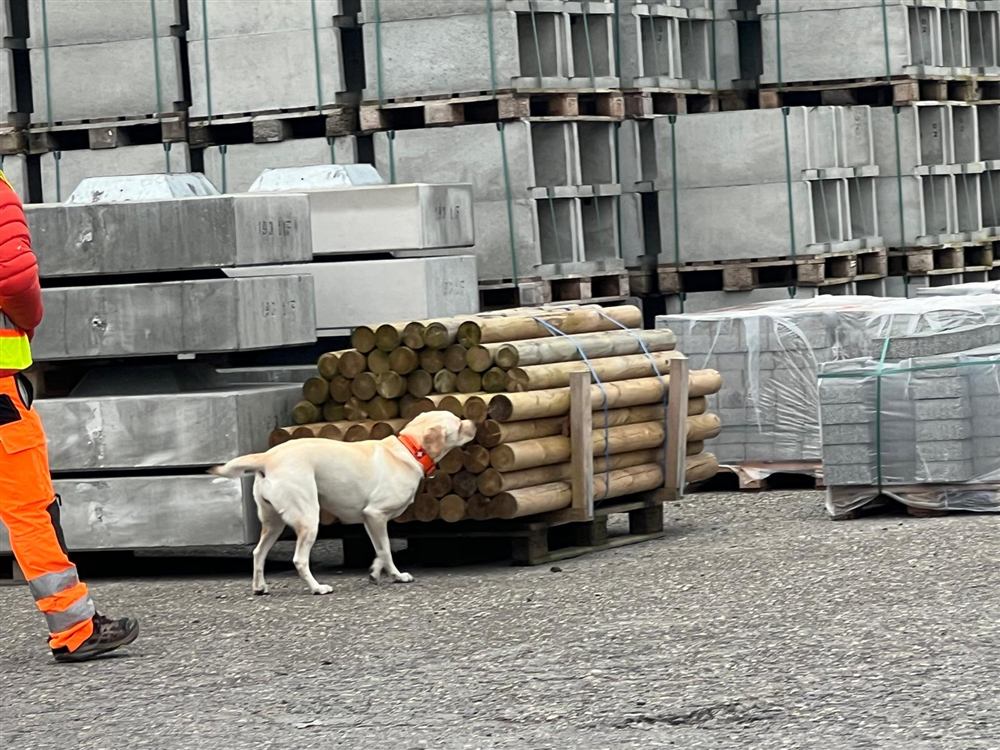
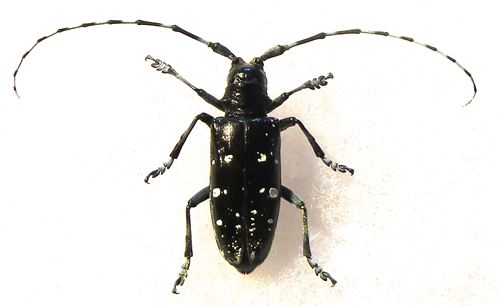
Asian longhorn beetle & citrus longhorn beetle
- What is it?
- ALB and CLB are beetles introduced with wooden packaging or plant imports; their larvae bore deep into the heartwood of broadleaf trees.
- Why is it dangerous?
- An infestation often stays invisible for years and can kill entire stands; both species are subject to mandatory reporting and control.
- How do dogs help?
- Detection dogs recognise the target scent long before exit holes or other damage become visible, and pinpoint infestation sites precisely.
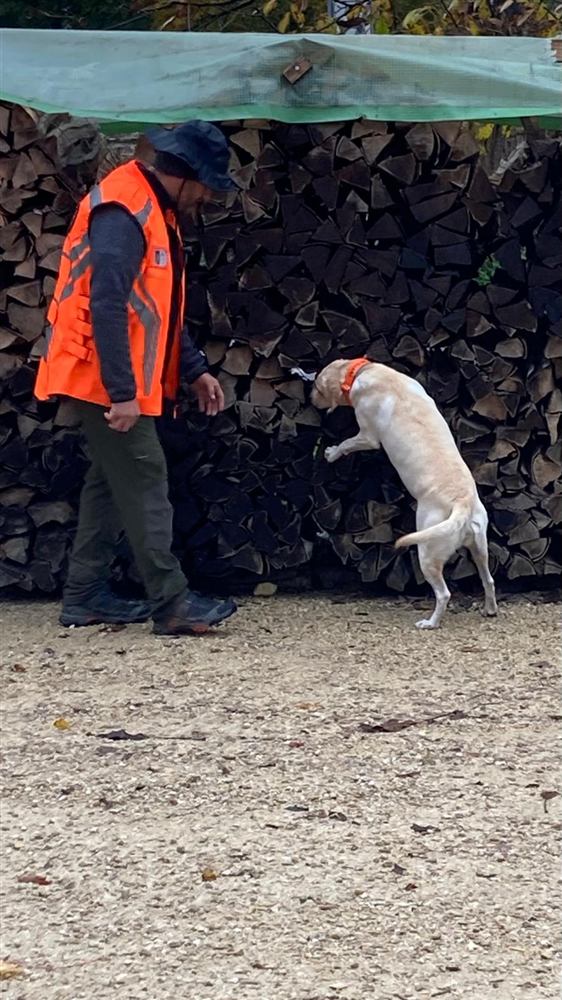
Real-world deployment of our founding organisation IG Phyto-Spürhunde Schweiz (PSS), including in Winterthur ZH and Marly/Pierrafortscha FR.
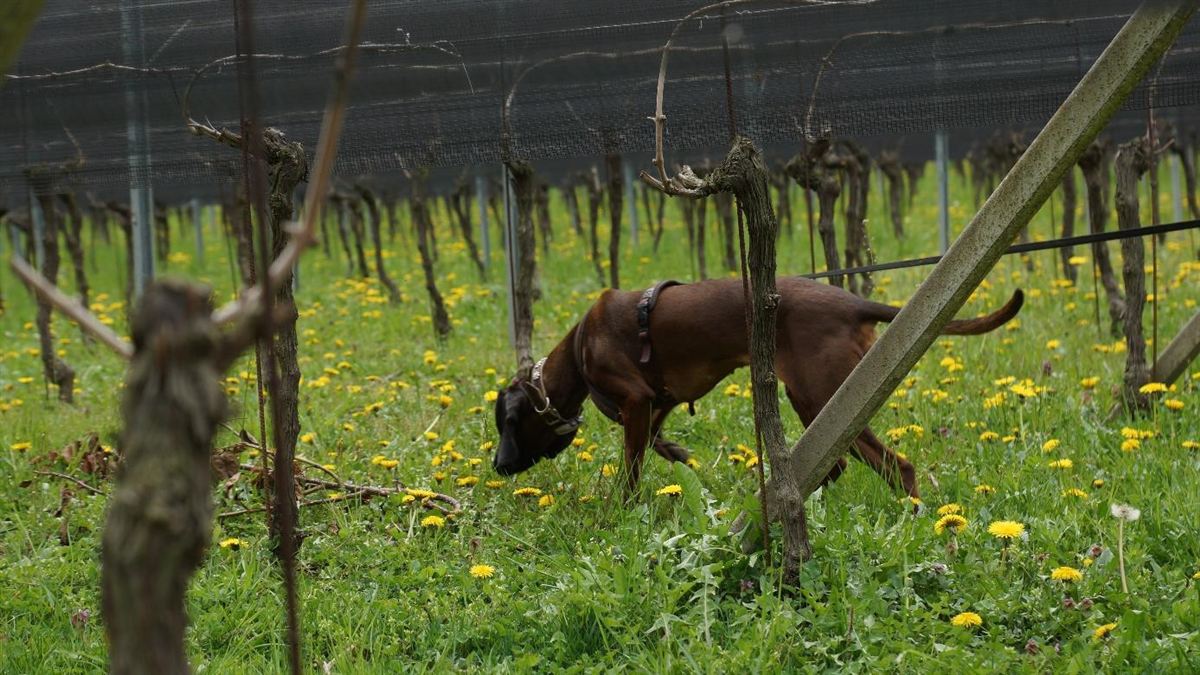
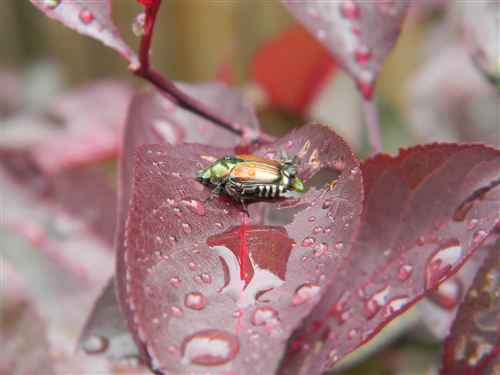
Japanese beetle (Popillia japonica)
- What is it?
- A beetle introduced to Switzerland from Italy in 2017, whose larvae feed on plant roots in the soil.
- Why is it dangerous?
- The beetle spends most of its life unseen as a larva in the soil – without dogs, the only option is digging up large areas.
- How do dogs help?
- In the pilot project with ZHAW, all seven trained dogs reliably detected planted Japanese beetle larvae – detection dogs are currently the only way to search specifically for larvae without digging up the entire soil.
Pilot project by our founding organisation wideso (Wildlife Detection Solutions) with ZHAW, July 2023. Field readiness is currently still being trained.
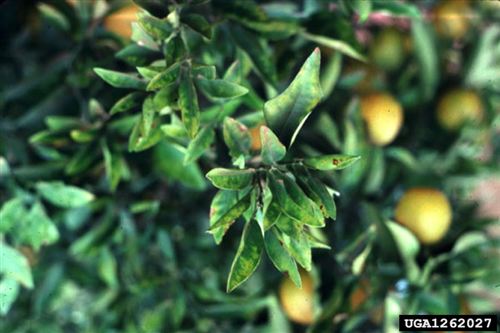
Xylella fastidiosa
- What is it?
- A bacterium that can infect around 400 plant species and has already destroyed a large share of olive trees in Italy.
- Why is it dangerous?
- A spread to Switzerland would have serious consequences for agriculture and nature conservation.
- How do dogs help?
- Together with ZHAW, a training scent is currently being developed to train detection dogs specifically on Xylella.
Project under development – sponsors are being sought to continue it.
Who we work for
Three target groups, one benefit
Authorities & cantons
Early detection and monitoring of harmful organisms as a complement to existing control methods.
Request collaboration →Research & agriculture
Science-based projects and practical partnerships around plant health and biodiversity.
Enquire about a project →Detection dog teams & professionals
An umbrella association that sets quality standards and makes professional work visible.
Become a member →Ready to get involved?
Whether as a member, partner organisation or with a project enquiry – we look forward to hearing from you.